Industry Defense Protocols and Moderation Architectures
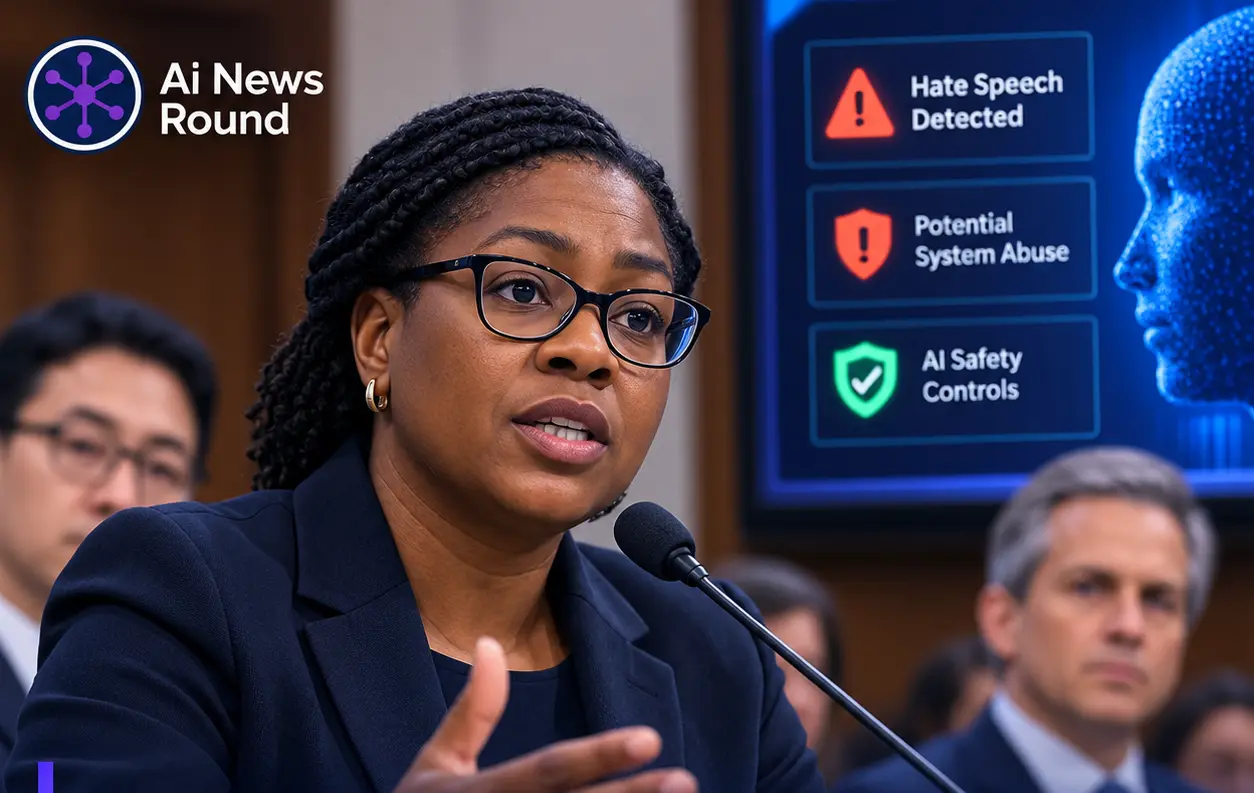
As generative AI platforms scale across global markets, technology executives from leading development firms are increasingly called upon by oversight committees, regulatory bodies, and civil society groups to account for system guardrails. At the core of legislative inquiries is the vulnerability of foundation models being leveraged to draft targeted hate speech, generate discriminatory deepfakes, or launch automated disinformation campaigns.
In response, executives highlight a combination of input filtering, fine-tuning via Reinforcement Learning from Human Feedback (RLHF), and system-level prompt boundaries. These multi-layered architectures aim to intercept toxic requests before model execution, blocking outputs that violate hate speech guidelines or target protected groups.
Limitations and Adversarial Prompt Vulnerabilities
Despite technical safeguards, tech leaders acknowledge that automated moderation systems face ongoing limitations. Adversarial prompt engineering, jailbreak techniques, and multilingual evasion remain persistent challenges, often allowing harmful content to bypass standard safety classifiers.
Furthermore, the proliferation of open-source weights and unaligned local models makes post-release oversight difficult. To mitigate these enforcement gaps, major providers are deploying secondary post-generation guardrails and dynamic monitoring layers that inspect real-time trajectory outputs before content reaches end users.
Regulatory Expectations and Global Compliance
The push for robust AI safeguards aligns with expanding international regulatory frameworks, including European transparency mandates and regional digital safety acts. Executives continue to emphasize the necessity of industry-wide benchmarks and third-party red-teaming evaluations to standardize hate speech prevention without unduly stifling open technological development.
For further insights on legislative oversight and automated content guardrails, explore our dedicated reporting under AI Policy & Regulation and view our updates on AI & Society.