Transitioning from Simulation to Physical Biological Science
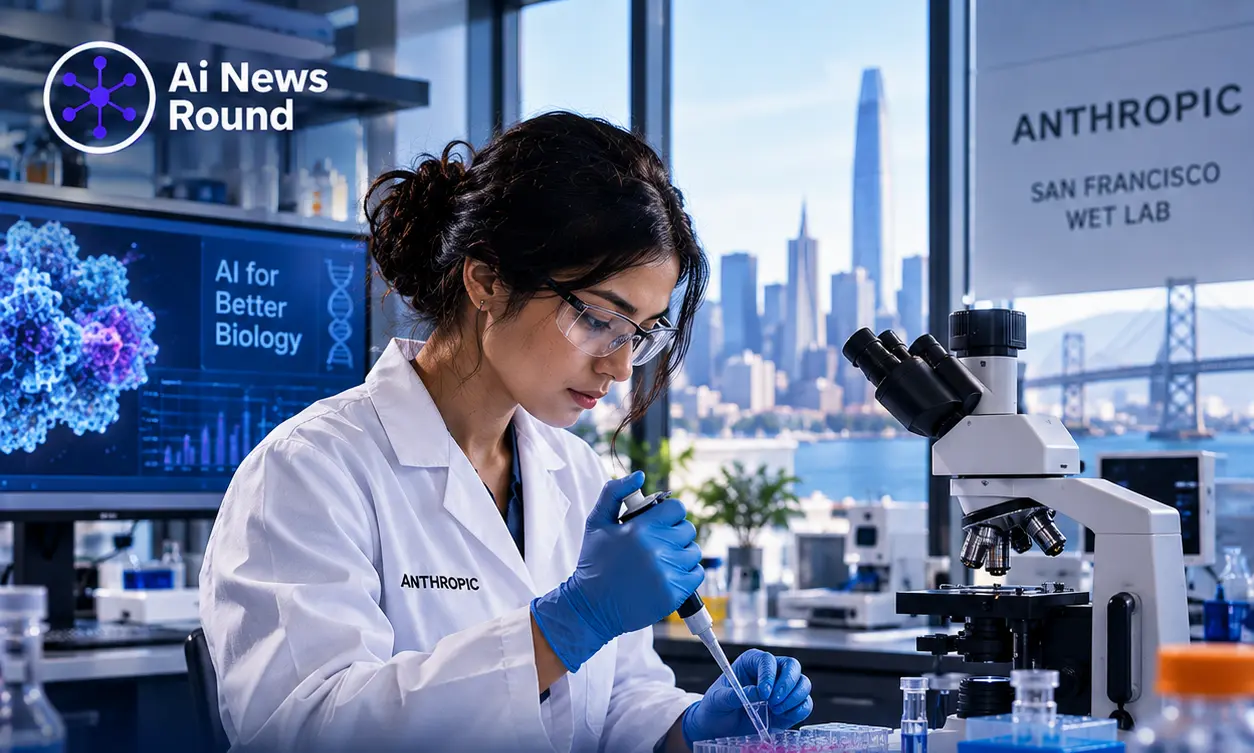
Artificial intelligence developer Anthropic has set up a physical wet lab facility in the San Francisco Bay Area, expanding its operational capabilities beyond computer-based computational evaluation. The laboratory infrastructure allows the firm to conduct physical biological experiments directly, combining digital model predictions with empirical feedback on the benchtop.
According to statements provided to Reuters by Eric Kauderer-Abrams, Anthropic’s head of life sciences, physical validation remains essential for biological discoveries. He noted that biological testing ultimately requires real laboratory work, confirming that the company is currently carrying out internal experiments while collaborating with external research partners in a hybrid model standard across the biotechnology sector.
Expanding Claude in Biology and Autonomous Automation
The expansion aligns with broader efforts to enlarge Claude's functional role in scientific domains. Beyond basic data analysis, sources familiar with the facility indicate that Anthropic is exploring ways for Claude to direct laboratory equipment and coordinate robotic systems to perform physical bench tests with reduced human intervention.
To support its expanding life sciences footprint, Anthropic recently acquired biotech firm Coefficient Bio for an estimated $400 million in stock and appointed Novartis Chief Executive Officer Vas Narasimhan to its board of directors. The firm has also rolled out its Claude Science research workbench to assist researchers with complex workflows. These strategic moves mirror wider industry integrations recently highlighted in our coverage of IBM Research AI agent consistency frameworks.
Commercial Scope and Safety Protocols
While Anthropic previously expressed interest in tackling rare diseases and preclinical targets that traditional pharmaceutical companies view as commercially unattractive, a company spokesperson clarified that the new facility is not dedicated strictly to drug discovery. The company maintains that human oversight remains a mandatory requirement across its facilities to enforce strict safety protocols during physical biological experiments.
Kauderer-Abrams emphasized that life sciences represents the firm's largest opportunity to apply powerful artificial intelligence for global benefit, driving its ongoing resource allocation and talent deployment.