The Front Line as an Artificial Intelligence Laboratory
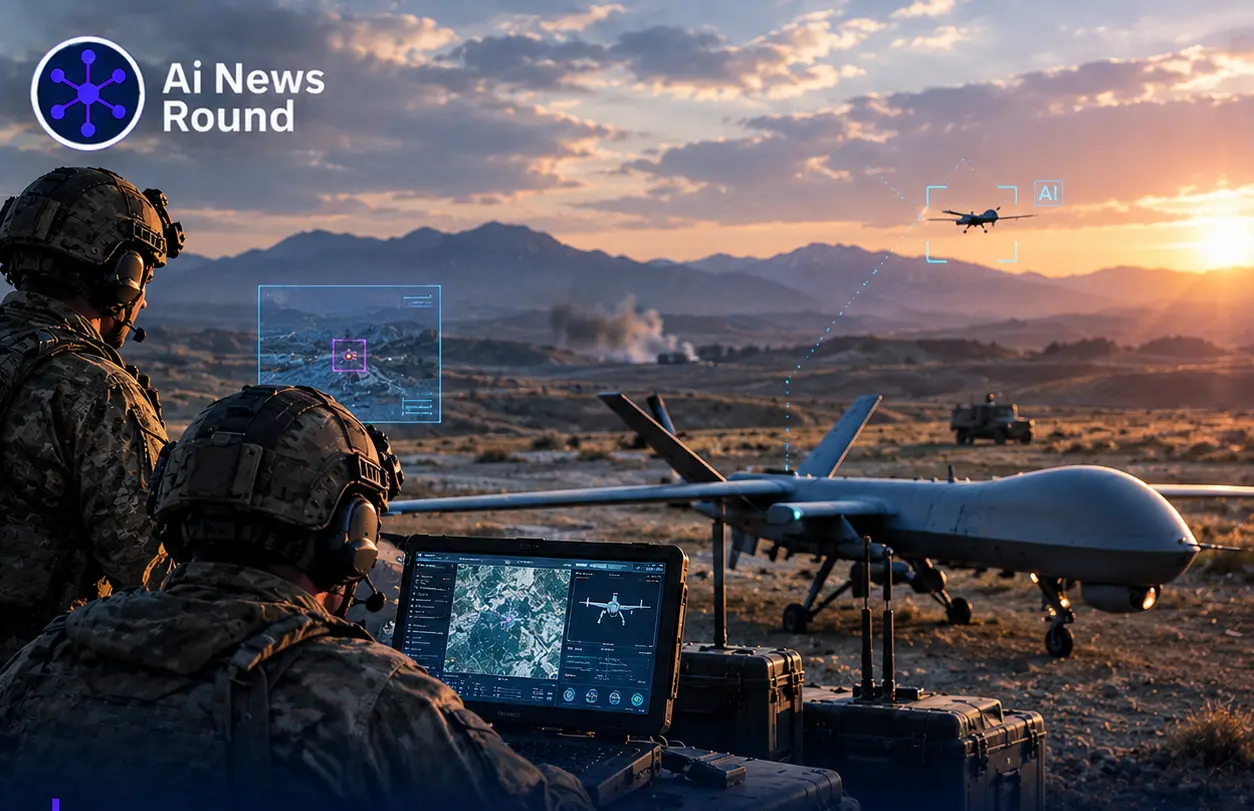
The rapid evolution of modern warfare has turned active military front lines into unprecedented training environments for artificial intelligence models. Armed forces and international technology partners are leveraging vast streams of real-time combat data to build, refine, and deploy autonomous systems. Unlike conventional civilian software development, which operates under strict regulatory frameworks and ethical guardrails, frontline AI model training operates in an effectively regulation-free environment.
This lack of oversight allows defense developers to test algorithms directly against live conditions. By processing millions of annotated video frames, sensor feeds, and telemetry data from operational missions, engineers are training machine learning networks to identify military equipment, track troop movements, and navigate complex environments.
Accelerating Autonomous Target Recognition and Engagement
The primary objective of training models on real combat footage is bridging the gap between simulated software environments and physical battlefields. Computer vision algorithms are being trained to maintain target locks despite signal jamming and electronic warfare countermeasures. This continuous loop of frontline data collection and algorithmic retraining has dramatically shortened engagement timelines, reducing target identification and strike authorization processes from twenty minutes down to a matter of seconds.
However, the rapid acceleration of these deployments raises significant technical and ethical concerns. Experts warn that algorithmic models trained on chaotic, high-stress combat environments remain vulnerable to edge-case failures, misclassification errors, and unexpected system halluncinations during kinetic operations. Similar challenges regarding algorithmic stability and validation across non-deterministic environments were previously analyzed in our technical breakdown of IBM Research AI agent consistency diagnostics.
Global Implications of Unregulated AI Defense Deployment
As defense contractors and sovereign nations establish centralized data pipelines to monetize and utilize battlefield telemetry, active conflict zones are serving as global testing hubs for next-generation autonomous hardware. The rapid iteration of targeting software on live battlefields is outpacing international treaty frameworks, regulatory consensus, and human oversight protocols.
The integration of autonomous systems across air, land, and sea domains marks a permanent structural shift toward data-driven warfare. As frontier models continue to incorporate real-world sensor streams, the boundaries between software development, field testing, and active combat operations continue to blur.