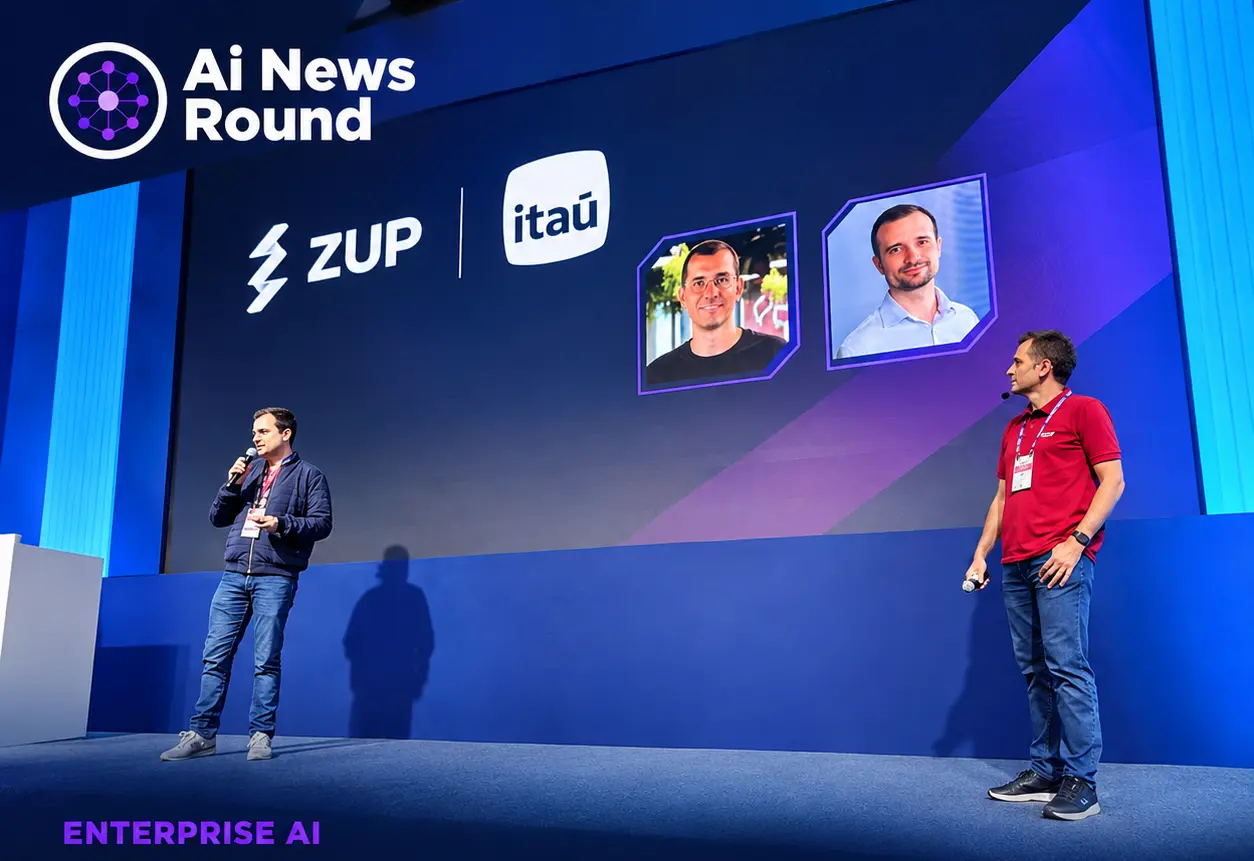

Replit has switched the default model behind Replit Agent from Anthropic's Claude to OpenAI. Chief executive Amjad Masad announced the change on stage at TechCrunch Disrupt and clarified it over the weekend: Claude models are still available on the platform, but new and existing users will now get OpenAI unless they pick something else. "OpenAI is now our preferred partner for powering Replit Agent," Masad said, according to TechCrunch's report by Kirsten Korosec, Lucas Ropek and Rebecca Bellan.
For a company that grew up running on Claude, this is a big shift. It also shows how quickly the AI coding tools market can move when a platform controls which model sits behind the default button.
What changes for Replit Agent users
If you build apps with Replit Agent, here is what the switch means in practice:
- The default model is now from OpenAI. Masad referred to it as ChatGPT. Any project where you never touched the model setting will use it.
- Claude is still there. You can choose Anthropic's models, or other supported models, manually.
- Results may differ. Different models write code differently. If you had a workflow tuned to Claude's output, it is worth testing your usual prompts on the new default before relying on it for a deadline.
Most people never change defaults. That is why the decision matters more than the fact that Claude remains selectable. TechCrunch notes that because most customers stick with the default, the change could sharply reduce what Replit spends with Anthropic.
Why Replit made the switch
Masad gave three reasons: performance, economics and the strength of the OpenAI partnership. Replit announced its partnership with OpenAI in August.
On performance, Masad pointed to benchmarks. He said Replit runs an internal benchmark and publishes a public one, and that both show OpenAI's models doing better at building "vibe-coded" apps from scratch. That claim comes from Replit's own testing, so treat it as the company's view rather than an independent result.
A sudden turn
The timing surprised people who follow the company. TechCrunch reports that Replit's website, blog and social accounts were promoting Anthropic products only weeks earlier. A late-September Replit blog post listed Claude Fable 5 and Fable 5.1 as running in Replit Agent's production environment, and a Replit product employee had posted about using Claude Opus 5.5.
Masad also said Replit had recently been one of Anthropic's top five customers. Not everyone agrees on what has changed. TechCrunch cites an unnamed person familiar with the partnership who said the Anthropic relationship was still in place, which contradicts the way Masad first described it on stage. The story's original headline said Replit was "no longer working with Anthropic"; it was later updated to say OpenAI is now the default.
Replit's business is moving toward enterprise
Masad shared some figures that help explain why cost and partnerships matter so much right now:
- Enterprise customers made up about 2% of Replit's revenue last year and about 15% this year.
- More than half of revenue now comes from business customers.
- Backstage, he said he expects more than half of revenue to come from enterprise and government customers in 2027.
He did not share annual recurring revenue figures.
Selling to large companies means negotiating hard on model costs, since every agent run is paid for in tokens. A deeper partnership with one model provider can bring better pricing, earlier access to models and joint sales. For Anthropic, losing the default slot at a top-five customer is a reminder that coding platforms can redirect large volumes of usage with a settings change. The company has been expanding its own infrastructure, including its first Canadian data centre deal, and coding customers are among its biggest sources of demand.
Masad's checklist for agents
Beyond the model question, Masad used his Disrupt appearance to argue that the model is only part of what makes an AI agent safe to deploy. He listed the pieces he thinks agents need around them:
- Good orchestration of tasks.
- Error recovery when something fails.
- Safety controls.
- Sandboxing, so code runs in isolation.
- Networking.
- Identity and authorisation controls.
That list explains some of the strategy. If the surrounding platform does much of the heavy lifting, Replit can swap the model underneath with less disruption to users, and pick whichever provider offers the best mix of price and performance at a given moment.
What to do if you rely on Replit
For developers and small teams, including the many African builders who use Replit because it runs in a browser with no local setup, the practical steps are simple. Check which model your projects are using. Run a few of your typical tasks on both the new default and Claude. Keep whichever gives better results for your stack, and watch your usage costs over the next billing cycle, since different models consume tokens differently.
Which model has done better on your Replit projects so far?