Operational Acceleration in Security Operations Centers
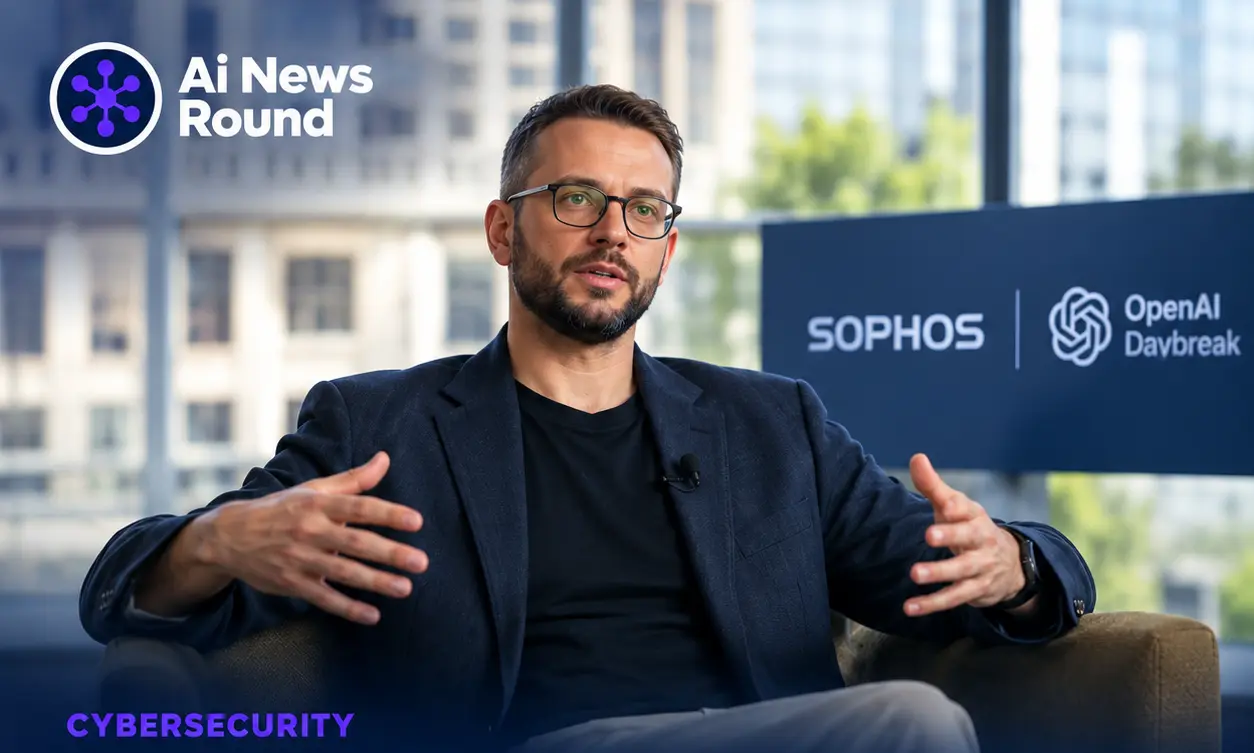
Global cybersecurity firm Sophos has announced major operational gains following the integration of OpenAI's Daybreak framework across its security operations infrastructure. By combining OpenAI's frontier reasoning models with Sophos's proprietary threat intelligence and incident playbooks, the platform achieved a 96 per cent reduction in threat investigation times for managed detection cases.
Prior to deploying the AI-driven workflow, human analysts spent an average of 38 minutes conducting manual telemetry triage, parsing logs, and correlating indicators of compromise (IoCs) for each flagged incident. Under the new Daybreak-powered execution loop, automated reasoning agents handle initial evidence gathering and contextual analysis, bringing the average case investigation time down to just 89 seconds.
Plan-Execute-Review Agentic Architecture
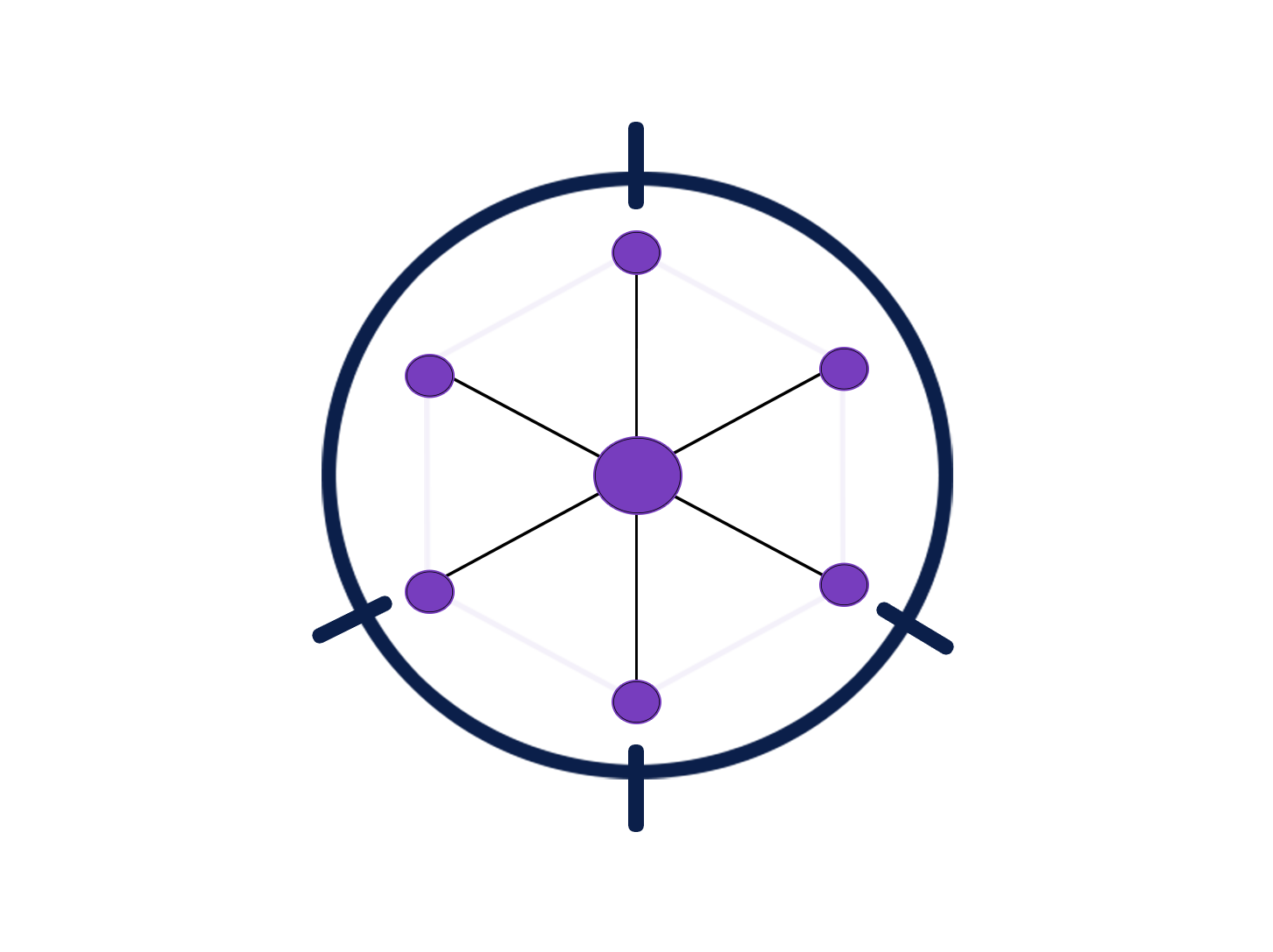
The core of Sophos's performance jump lies in a specialized plan-execute-review agentic loop built inside the Daybreak Defense Network. When security telemetry triggers an alert, autonomous sub-agents execute parallel tasks: one agent extracts forensic data from endpoint and network logs, another cross-references external threat intelligence feeds, and a supervisor agent correlates the findings against established response playbooks.
This automated workflow now resolves 52 per cent of Managed Detection and Response (MDR) cases end-to-end without requiring human manual intervention. To maintain strict operational safeguards, Sophos introduced three configurable operating modes for enterprise customers—Notify, Collaborate, and Authorise—ensuring human analysts retain ultimate oversight and decision-making authority over high-risk mitigation actions.
Scaling Defensive Operations Against Machine-Speed Attacks
The integration addresses a critical challenge facing modern Security Operations Centers (SOCs): the increasing volume and speed of automated cyber threats. By automating repetitive triage tasks across its customer base of over 625,000 organizations, Sophos can scale its defense capacity without requiring proportional headcount expansion.
Industry analysts note that as threat actors increasingly leverage generative AI to automate exploit delivery and social engineering campaigns, defensive security operations must adopt machine-speed reasoning tools to maintain adequate protection boundaries.
For additional context on enterprise agent efficiency and model API workflows, explore our analysis of how Asana Cuts Browser Agent Model Costs 76x via GPT-6.1 Sol and view our coverage under Tools & Applications.