AI in Cameroonian Agriculture: Three Startups Trying to Solve a Real Problem
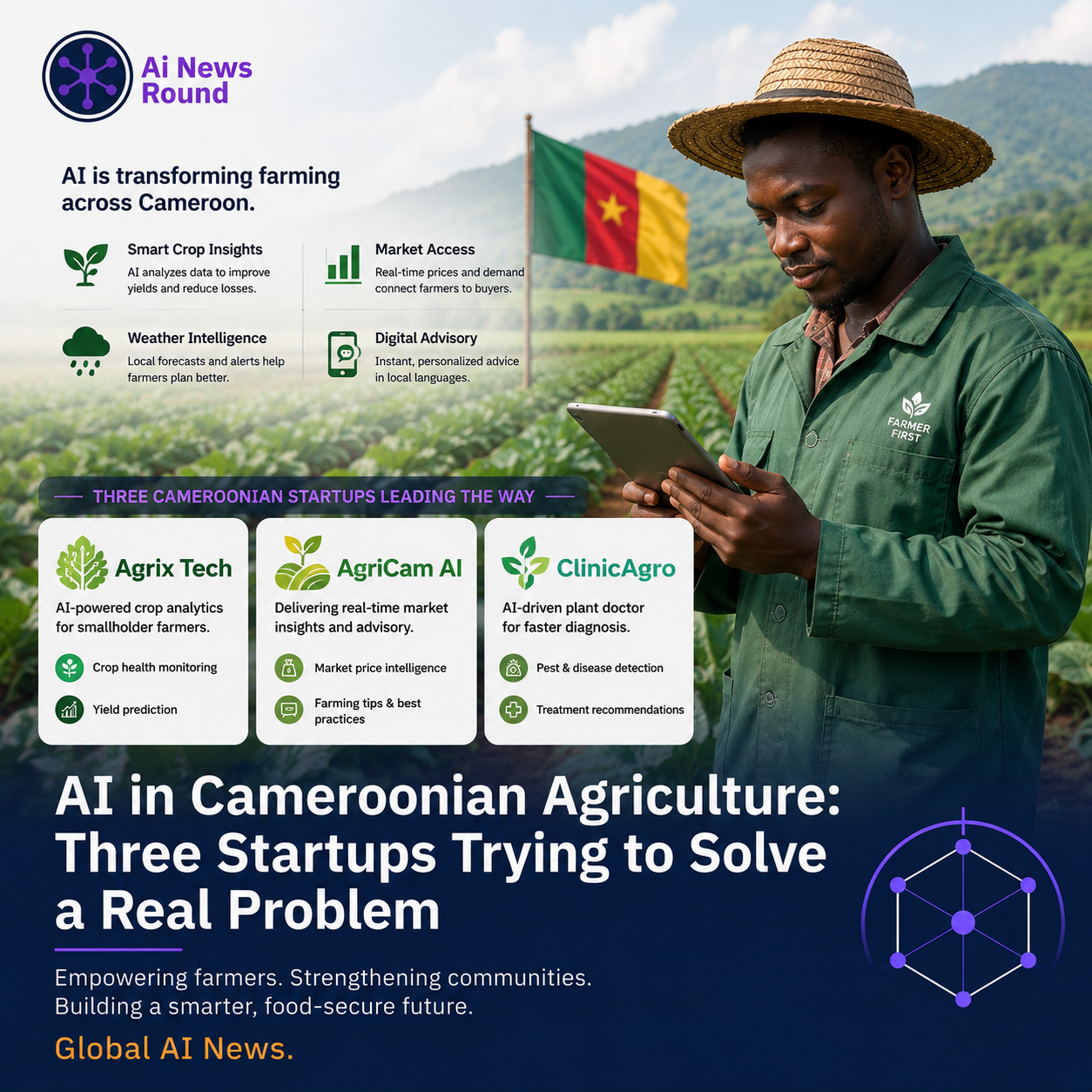
Plant disease detection from a phone camera is a well-suited problem for machine learning. Getting it to work for a smallholder in the Far North is a different question.
Plant disease detection from a phone camera is a well-suited problem for machine learning. Getting it to work for a smallholder in the Far North is a different question.
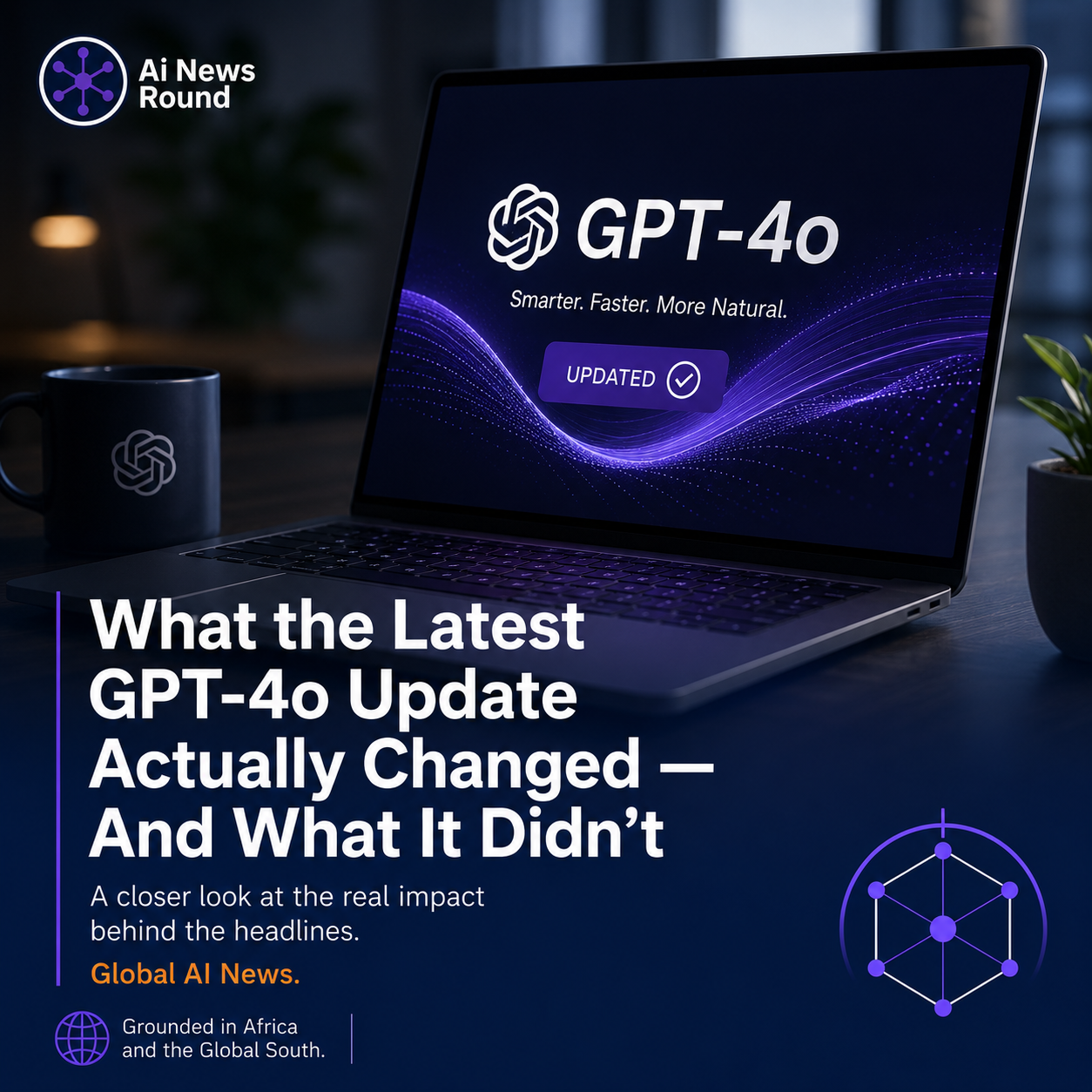
The release notes list improvements across the board. Testing against them finds gains in two areas and no measurable change in most of the rest.
Frontier releases get the coverage. Models small enough to run on a laptop or a phone are changing more about what can actually be deployed.
Most tool round-ups ignore whether you can sign up, pay, or run the thing on the connection you actually have. This one starts there.
Benchmarks that report African language coverage tend to measure the wrong thing. What breaks is not translation quality but everything downstream of it.
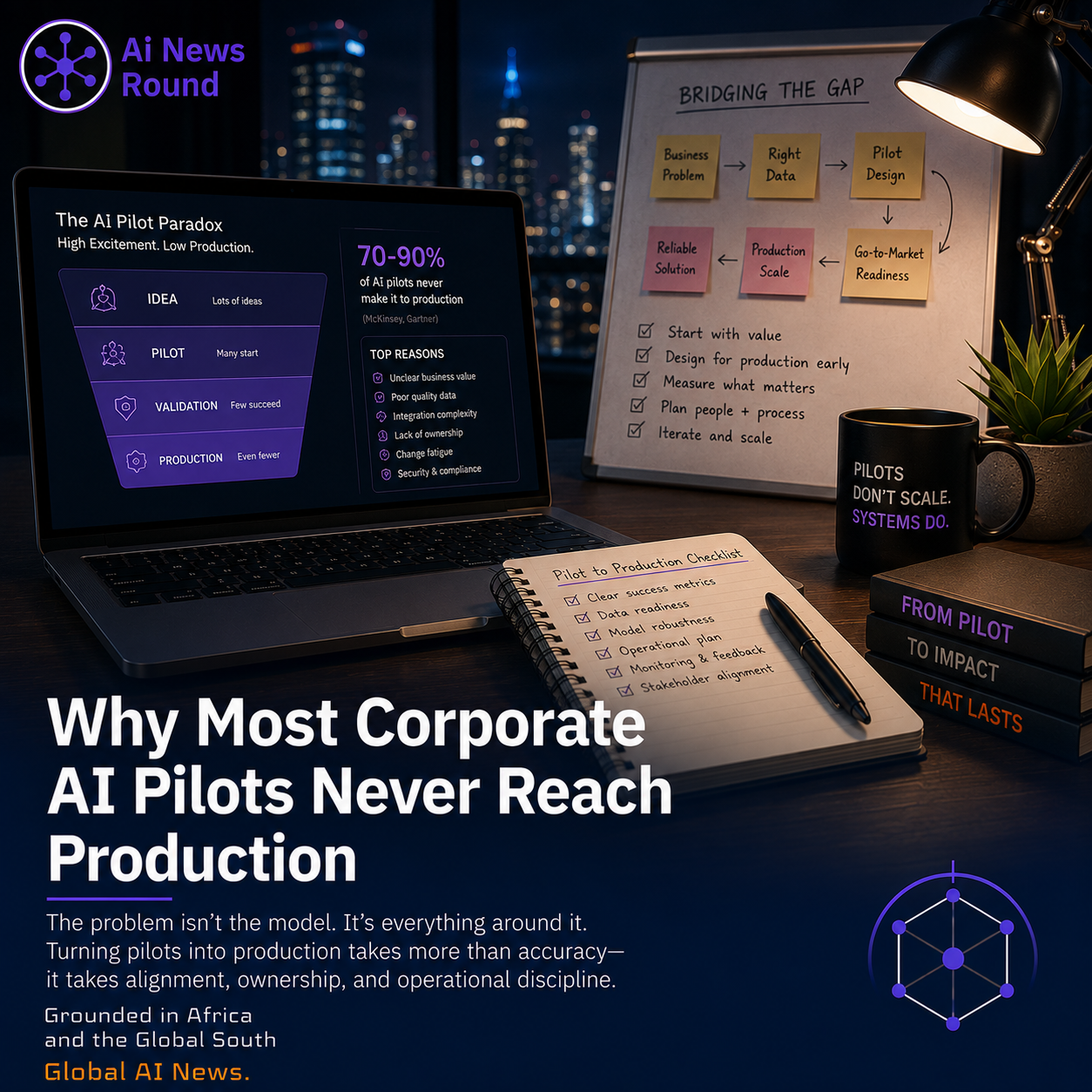
The demo works. The rollout does not. What sits between them is rarely the model, and companies keep being surprised by the same four things.
The first comprehensive AI law is now operating. Its risk-tiered structure is widely copied — including the parts that have not worked.
Context windows grew, prices fell, and the benchmark scores moved less than the marketing implies. A look at which changes are real and which are rounding errors.
Per-token pricing looks trivial until it multiplies by traffic. The bill is controllable, and most of the control is in decisions made early.
Jurisdictions differ on the detail and agree on the structure: obligations scale with what the system is used for, not with how it was built.
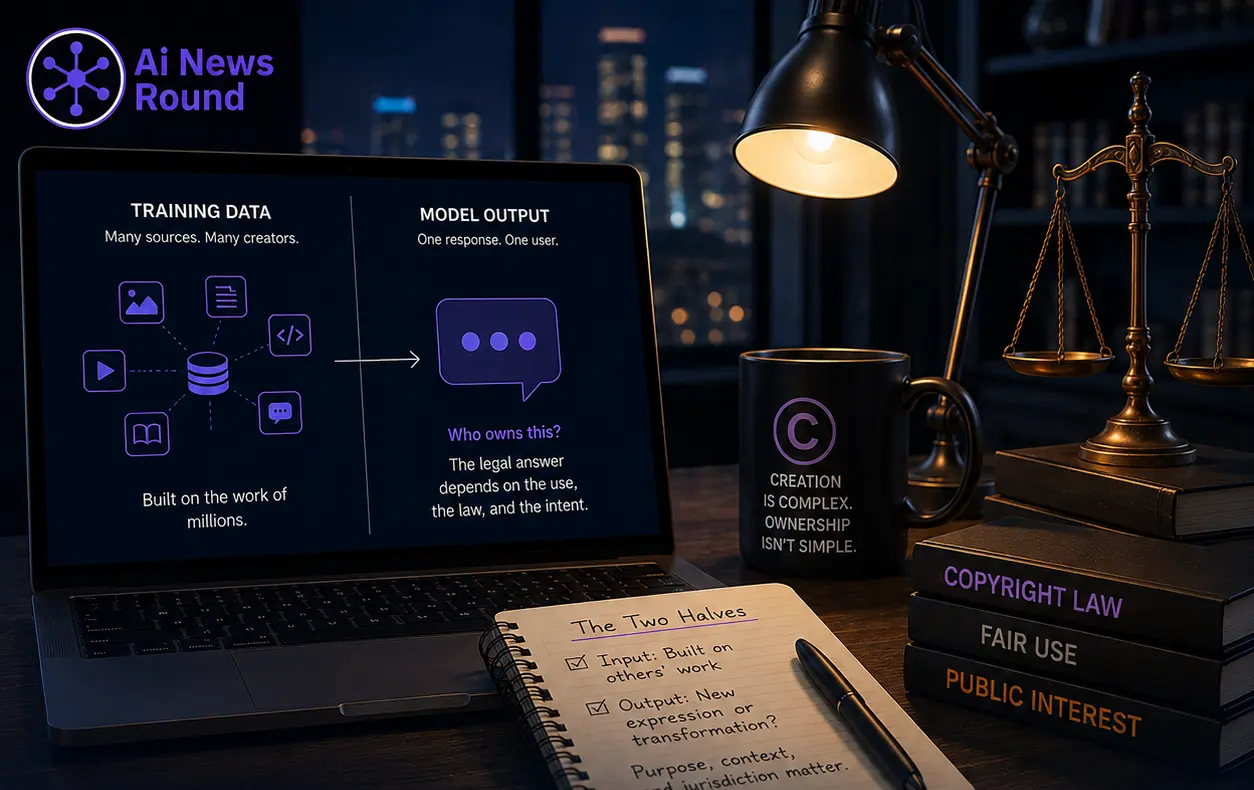
There are two separate legal arguments running, they have different answers, and conflating them is why the debate goes in circles.
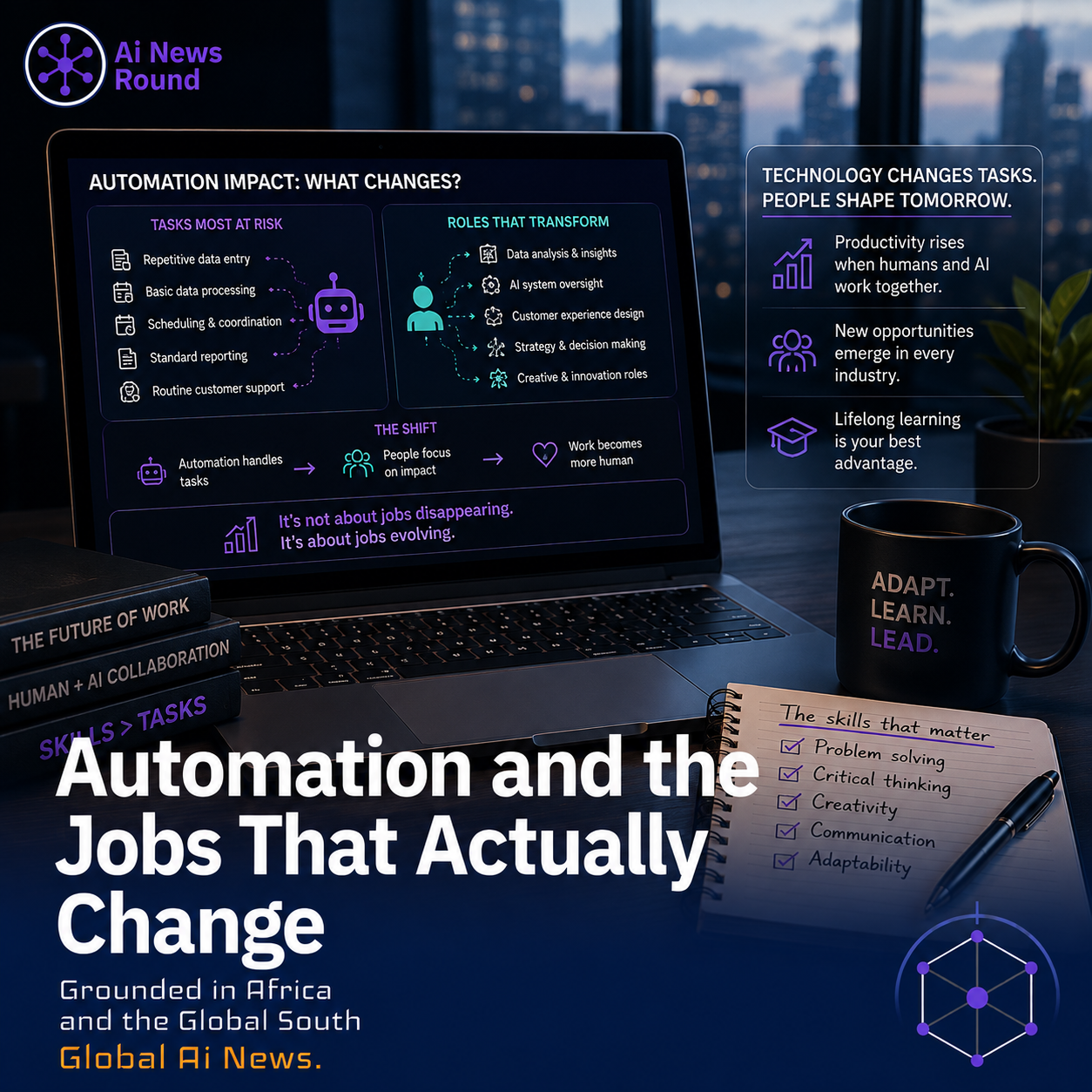
The useful unit of analysis is the task, not the occupation. Almost no job is fully automatable, and almost every job contains tasks that are.
Most of the harm attributed to biased models is decided upstream: what the system is asked to predict, and what data was available to predict it from.
Streaming responses, hopeful reconnects and generous payloads all assume a connection that a great many users do not have.
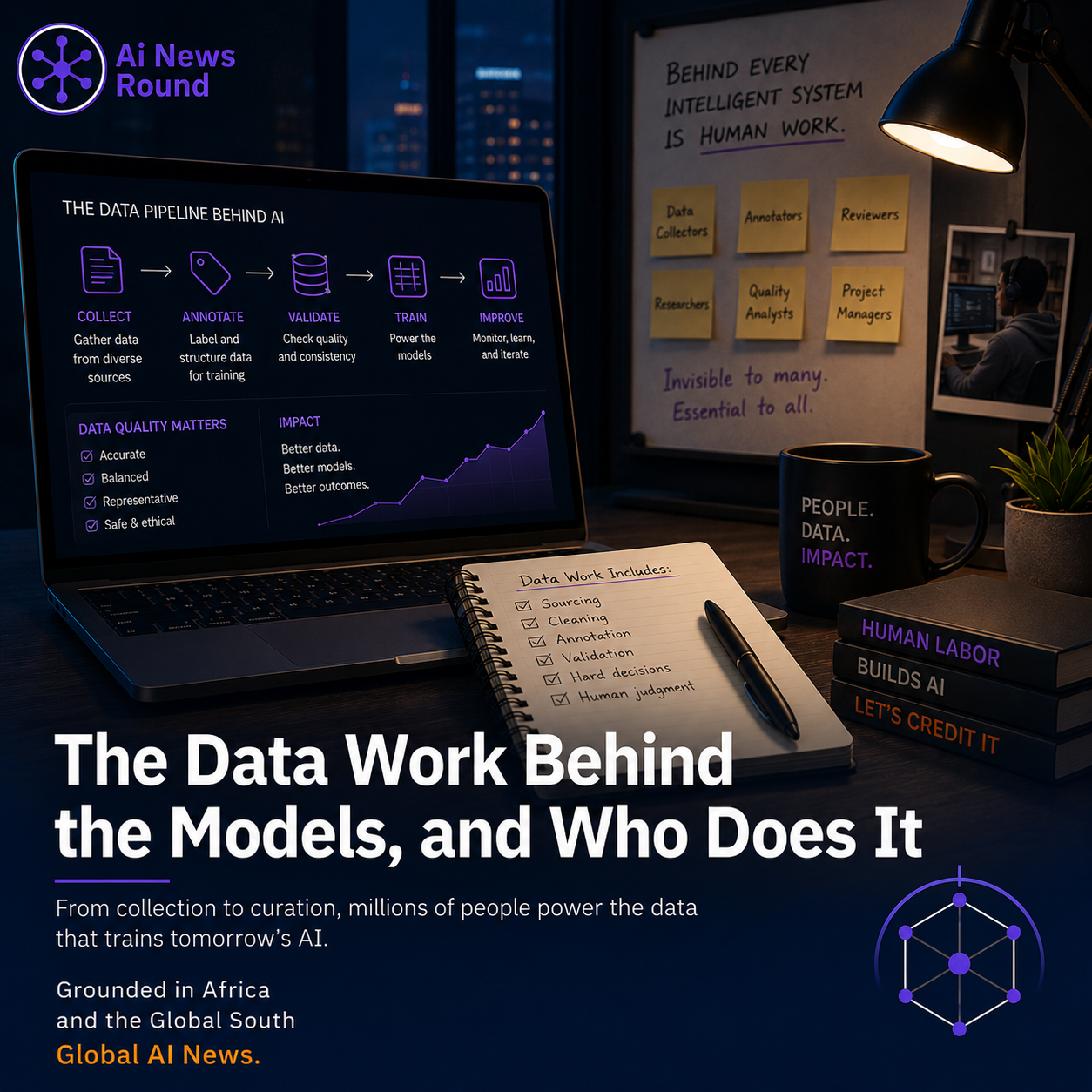
Annotation, moderation and evaluation are done by people, a great many of them in East and West Africa, and the conditions attached deserve more attention than they get.